


What Is TMJ? Understanding TMJ Disorders and Jaw Pain
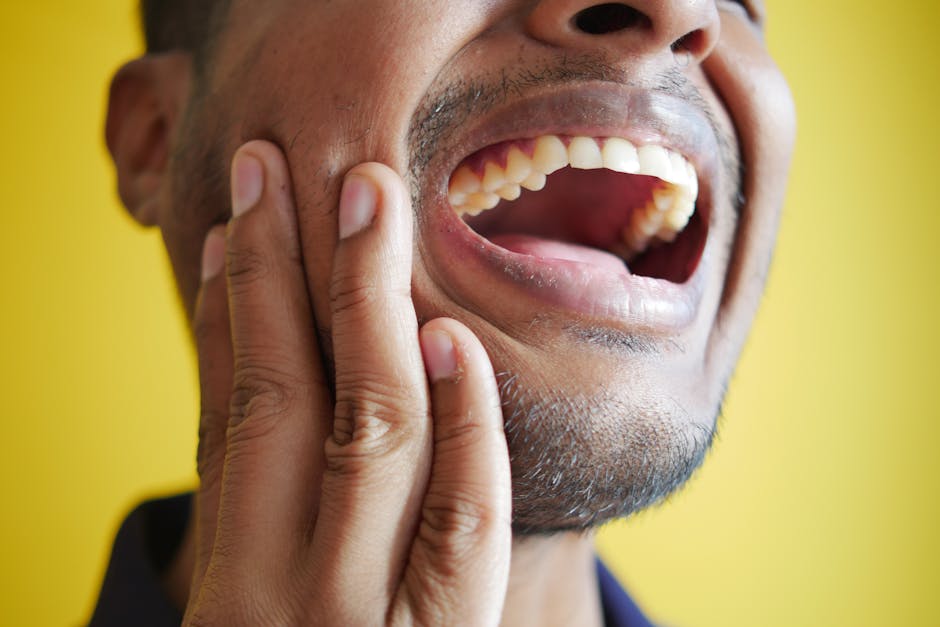
Jaw pain can be frustrating. It can make eating uncomfortable, turn a simple yawn into a wince, and leave you searching for answers. If you have noticed clicking, stiffness, or headaches around your temples, you may have heard the term TMJ. But what exactly is TMJ, and when does it explain the pain you are feeling? Here is a closer look at the joint, the disorders that affect it, and the treatment options available in Burnaby.
What exactly is TMJ?
TMJ stands for temporomandibular joint. You actually have two TMJs, one on each side of your face. These joints connect your lower jaw to your skull and allow your jaw to move when you chew, speak, yawn, and open and close your mouth.
The TMJ is a relatively complex joint because it needs to move in several directions while working together with the muscles of your jaw and face. Unlike a simple hinge, it combines gliding and rotating movements, which is part of the reason jaw problems can be so varied.
When problems develop in the jaw joints, chewing muscles, or related structures, they fall under a group of conditions known as temporomandibular disorders, commonly shortened to TMD. You may also see the term TMJD, meaning temporomandibular joint disorder, used to describe these problems.
What is the difference between TMJ and TMD?
This is an important distinction.
TMJ refers to the temporomandibular joint itself. TMD refers to temporomandibular disorders, the collection of conditions that affect the joint, the muscles that control it, and the surrounding structures.
When someone says “I have TMJ,” they usually mean they are experiencing a problem involving their jaw. Technically, however, the joint itself is the TMJ, while the disorder is TMD. For this reason, healthcare professionals may use the term TMD, while patients commonly search for TMJ treatment or TMJ pain.
| TMJ | TMD |
|---|---|
| The temporomandibular joint | Temporomandibular disorders |
| The connection between your lower jaw and skull | The group of conditions affecting the joint and jaw muscles |
| Everyone has two of these joints | Not everyone develops a disorder in these joints |
In short, everyone has a TMJ, but not everyone develops TMD. Using the correct term can help when you are describing your symptoms to a clinician.
What can cause TMJ problems?
There isn’t one single cause of TMD. Different people can develop symptoms for different reasons.
Potential contributing factors include:
- Jaw or facial injury
- Jaw clenching
- Grinding or bruxism
- Repetitive chewing
- Stress
- Sleep-related factors
- Muscle sensitivity
- Other pain conditions
- Factors involving the jaw joint itself
In Burnaby, clinicians who treat jaw pain often point to factors such as jaw injury, arthritis, genetics, and habits like teeth grinding. Importantly, having one of these factors does not automatically mean you will develop TMD. TMD is considered a multifactorial condition, meaning several factors can contribute to someone’s symptoms.

What does TMJ pain feel like?
TMJ-related symptoms can vary significantly from person to person. Some people experience pain directly around the jaw joint, while others feel discomfort in the jaw muscles, temples, face, or surrounding areas.
You might notice:
- Jaw pain when chewing
- Pain when opening your mouth
- Jaw stiffness
- Clicking or popping in the jaw
- Jaw locking
- Headaches
- Facial pain
- Discomfort around the ears
- Difficulty opening your mouth
Some people experience only one symptom, while others experience several at the same time. Symptoms can include jaw, neck, ear, and facial pain, which is why TMJ problems sometimes get confused with other conditions.
Does everyone with a clicking jaw have TMJ disorder?
No. Clicking does not automatically mean something is wrong. Many people have painless jaw clicking without significant functional problems.
A click becomes more clinically relevant when it is accompanied by pain, locking, limited movement, difficulty chewing, or progressive changes in jaw function. This is one reason why simply hearing a click is not enough to determine whether you have TMD.
If your jaw clicks but causes no pain or limitation, it may not require treatment. If clicking is paired with pain or difficulty moving your jaw, it is worth having someone assess it.
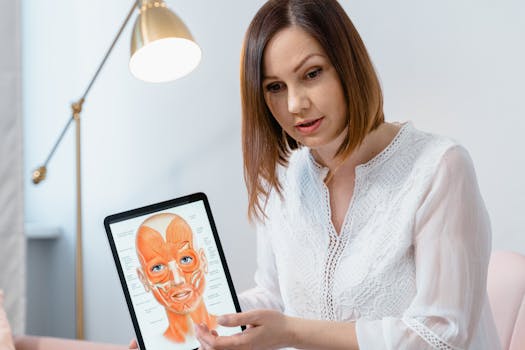
Can TMJ cause headaches?
Jaw problems and headaches can occur together. Some people with TMD experience headaches associated with their jaw symptoms, particularly around the temples or other areas of the head.
However, not every headache comes from the jaw. Headaches have many potential causes, so jaw pain and headache should be considered together with the rest of the person’s symptoms rather than automatically assuming the TMJ is responsible.
If you have both jaw pain and frequent headaches, a clinician can help determine whether the two are connected or whether separate issues are at play.
Can a chiropractor help TMJ?
Depending on the individual presentation, chiropractic care may be one component of conservative management for TMD. A chiropractor may assess the jaw, chewing muscles, neck, movement, and other relevant musculoskeletal factors before recommending treatment. This type of assessment helps identify whether the jaw itself, the chewing muscles, or the neck is the main source of the problem.
Treatment may include education, exercises, manual therapy, and strategies for modifying aggravating habits such as excessive clenching. In Burnaby, chiropractic treatment focuses on correcting misalignments in the body’s muscular and skeletal systems, which can be relevant for jaw pain. A common chiropractic approach to TMJ syndrome includes chiropractic adjustments, specialized exercise plans, and heat or ice to manage symptoms.
However, not every TMJ problem requires chiropractic treatment. Some presentations are better assessed or managed by a dentist, physician, physiotherapist, or orofacial pain specialist. The right provider depends on the nature of the problem.
When should you seek help for jaw pain?
Not every jaw symptom needs professional treatment. Painless clicking, for example, may not be a problem. But you should consider an assessment if you experience persistent jaw pain, locking, limited movement, difficulty chewing, or progressive changes in jaw function.
The good news is that physiotherapy, massage therapy, and chiropractic therapy can assist in eliminating jaw pain for many people. The earlier the problem is assessed, the easier it often is to address the contributing factors before they become more complex.
Frequently Asked Questions
Here are answers to common questions about TMJ, jaw pain, and chiropractic care in Burnaby.
Can a chiropractor adjust your jaw for TMJ?
Chiropractic care for TMJ can include adjustments, but the specific approach depends on the assessment. A chiropractor may look at your jaw, chewing muscles, neck, and movement before deciding what type of care is appropriate. Treatment can include chiropractic adjustments, specialized exercise plans, manual therapy, and heat or ice. Not every jaw problem responds to the same approach.
Does TMJ ever fully go away?
TMD is multifactorial, so the outcome varies from person to person. Some people experience significant relief once contributing factors such as clenching, grinding, stress, or muscle tension are addressed. Others may need ongoing management to keep symptoms under control. Because there is no single cause, there is no single answer. A qualified clinician can give you a clearer picture based on your symptoms, history, and response to treatment.
Can a chiropractor tell if your jaw is out of alignment?
Chiropractors are trained to assess the muscular and skeletal systems, and the jaw is part of that picture. In Burnaby, chiropractic care focuses on correcting misalignments in the body’s muscular and skeletal systems, which can be relevant for TMJ pain. An assessment typically includes how your jaw moves, how your neck moves, and how your chewing muscles feel. That information helps a chiropractor determine whether misalignment is contributing to your symptoms.
How do I realign my jaw with TMJ?
Realignment depends on what is causing the problem. A dental team can help realign your jaw, which may relieve symptoms associated with TMJ disorder. A chiropractor can also address misalignments in the muscular and skeletal systems using adjustments and exercises. The right approach depends on your symptoms, so the first step is an assessment by a qualified provider. Avoid forcing your jaw into position on your own, as that can make symptoms worse.