
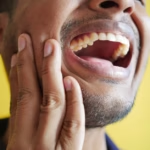

Who Gets TMJ Problems? Risk Factors for Jaw Pain and TMD
TMJ disorders can affect people of many different ages. You do not need to have suffered a major jaw injury to develop jaw pain, clicking, or other TMD symptoms. Some people develop symptoms gradually, while others notice them after a specific event such as an injury or a period of increased stress.
So who is more likely to experience TMJ problems? The answer is not a simple profile of one type of person. The temporomandibular joint responds to a wide range of physical, behavioral, and psychological factors. Understanding the common risk factors can help you recognize why your jaw may be bothering you and whether it is time to seek a professional assessment in Burnaby.
What Is TMJ and TMD?
The temporomandibular joint connects the jawbone to your skull. It is crucial for yawning, chewing, and talking, and any discomfort or pain in this joint can significantly affect these everyday activities. TMJ disorder, often shortened to TMD, refers to pain in your jaw. It is a condition that affects the jaw joint and the muscles that control jaw movement.
TMD symptoms may range from subtle pain to severe discomfort. The most common symptoms include pain or tenderness in the jaw, clicking sounds in the joint, headaches, and discomfort in the neck, ear, or face. Because the jaw is connected to muscles and joints throughout the head and neck, TMJ problems can produce symptoms that travel far beyond the jaw itself.
TMJ disorder is a prevalent condition in Burnaby, BC. Many people live with jaw discomfort for months before realizing that their symptoms are connected to the temporomandibular joint. That is why recognizing the risk factors matters.
Young and Middle-Aged Adults Are More Commonly Affected
TMD is particularly common among younger and middle-aged adults, although people of any age can experience jaw disorders. This age pattern likely reflects the fact that many risk factors, such as clenching, grinding, stress, and sports activity, tend to be concentrated in these decades of life.
However, children, teenagers, and older adults can also develop TMJ problems. Jaw pain can appear at any point, especially when habits like clenching or grinding become part of a person’s routine or when an injury disrupts the jaw.
Jaw Clenching
One of the most common things people notice is jaw clenching. You may clench your teeth while working, studying, driving, gaming, exercising, playing sports, concentrating, or feeling stressed. The tricky part is that clenching can become automatic. You may not even realize you are doing it until your jaw becomes tired or sore.
Clenching places repeated tension on the jaw muscles. Over time, that tension can lead to muscle soreness, fatigue, and more obvious TMJ symptoms. Many people first notice a problem when their jaw feels tight at the end of the day or when they catch themselves clenching during a demanding task.

Teeth Grinding and Bruxism
Teeth grinding, also known as bruxism, can occur while you are awake or asleep. Some people wake up with jaw soreness, facial muscle fatigue, headaches, or tooth sensitivity. These morning symptoms are a common reason people begin to wonder whether they are grinding their teeth at night.
However, waking up with jaw pain does not automatically prove that you are grinding your teeth at night. A proper assessment is needed to understand what is happening. Bruxism may be one contributing factor among several, and identifying it accurately helps guide the right care plan for your specific situation.
Stress and Jaw Pain
Stress is another factor commonly discussed with TMD. But saying that stress causes TMJ is too simplistic. Stress can influence behaviors such as clenching, sleep, muscle tension, and pain sensitivity. For some people, these factors may contribute to their jaw symptoms.
This distinction matters because it changes how jaw pain is managed. Reducing stress may help, but it is rarely the whole answer. A complete assessment looks at how stress interacts with other factors like grinding, posture, and past injury to create the symptoms you are experiencing.
Athletes and Jaw Tension
Being active does not protect you from TMJ problems. In fact, athletes may notice jaw tension during heavy lifting, sprinting, contact sports, high-intensity exercise, or competition. For someone who plays sports, jaw clenching may happen unconsciously during intense moments of play.
That does not mean playing sports causes TMD. It simply gives us another potential factor to consider when evaluating someone’s symptoms. The jaw is often part of a broader pattern of muscle tension that builds during physical exertion.
Previous Injury
A blow to the face or jaw can contribute to some TMD presentations. Injuries from contact sports, falls, or other impacts can affect the jaw joint and surrounding muscles. However, not everyone with TMD has a history of trauma.
Many people develop jaw pain without any obvious injury at all. This is why a detailed history matters. Understanding whether an injury occurred, how symptoms first began, and what makes them worse all help form a clearer picture of the underlying problem.
Other Factors That Can Contribute to TMJ Pain
TMJ pain can arise from various factors, including jaw injury, arthritis, genetics, and habits like teeth grinding. Arthritis can affect the jaw joint just as it affects other joints in the body, while genetic factors may make some people more vulnerable to jaw problems.
Because multiple factors can be involved, no two cases of TMD look exactly alike. This is why an assessment matters. Understanding which combination of factors applies to you helps guide the care plan and the types of treatments most likely to help.
The Bottom Line: No Single Type of Person
There is not a single type of person who gets TMJ problems. TMD is multifactorial, and symptoms can develop through different combinations of physical, behavioral, and psychological factors. A student who grinds their teeth, a professional who clenches while working, and an athlete who tenses their jaw during competition can all end up with similar jaw symptoms.
The good news is that physiotherapy, massage therapy, and chiropractic therapy can assist you in eliminating your jaw pain. In Burnaby, chiropractic treatment focuses on correcting misalignments in the body’s muscular and skeletal systems, which can be crucial for addressing TMJ pain. A common chiropractic treatment for TMJ syndrome includes chiropractic adjustments, specialized exercise plans, and heat or ice to deal with discomfort. Some clinics in Burnaby, such as Motion Pro Health, offer a comprehensive approach that combines chiropractic care and physiotherapy. TMJ physiotherapy is designed to address the root causes of your jaw dysfunction so you can move, speak, and eat comfortably again.
When to Seek an Assessment in Burnaby
If you are experiencing persistent jaw pain, clicking, headaches, clenching, or difficulty opening your mouth, an assessment can help determine what factors may be relevant to your particular presentation. A chiropractor in Burnaby can evaluate how your jaw, neck, and surrounding muscles are working together.
Chiropractors at clinics such as Baseline Health and Wellness develop a care plan to help resolve TMD issues and may also address neck pain that often travels with jaw problems. Oral surgeons in Burnaby also treat TMJ disorders when symptoms require additional care. Because TMD can be approached from several angles, the right first step is often a thorough evaluation to understand your specific risk factors and to identify which type of care may help you most
Frequently Asked Questions
Can a chiropractor help with TMJ jaw pain?
Yes. Chiropractic treatment in Burnaby focuses on a thorough evaluation of the TMJ and surrounding areas, which can be crucial for addressing TMJ pain. A common chiropractic approach includes intraoral and extraoral soft tissue therapy, adjustments, specialized exercise plans, and heat or ice therapy. Some Burnaby clinics also combine chiropractic care with physiotherapy for a more comprehensive treatment plan
Does TMJ affect people of all ages?
TMJ disorders can affect people of many different ages. TMD is particularly common among younger and middle-aged adults, although people of any age can experience jaw disorders. The risk factors, including clenching, grinding, stress, sports participation, and past injury, can appear at any stage of life, so the condition does not follow a single age pattern.
What are the most common symptoms of TMD?
The most common symptoms include pain or tenderness in the jaw, clicking sounds in the jaw joint, headaches, and discomfort in the neck, ear, or face. Some people also notice jaw soreness in the morning, facial muscle fatigue, or tooth sensitivity, especially if teeth grinding is involved.
Do I need to know what caused my jaw pain before seeking care?
No. You do not need to have suffered a major jaw injury to develop jaw pain, and not everyone with TMD has a history of trauma. An assessment can help determine what factors may be relevant to your particular presentation, whether that involves clenching, grinding, stress, injury, or a combination of influences.